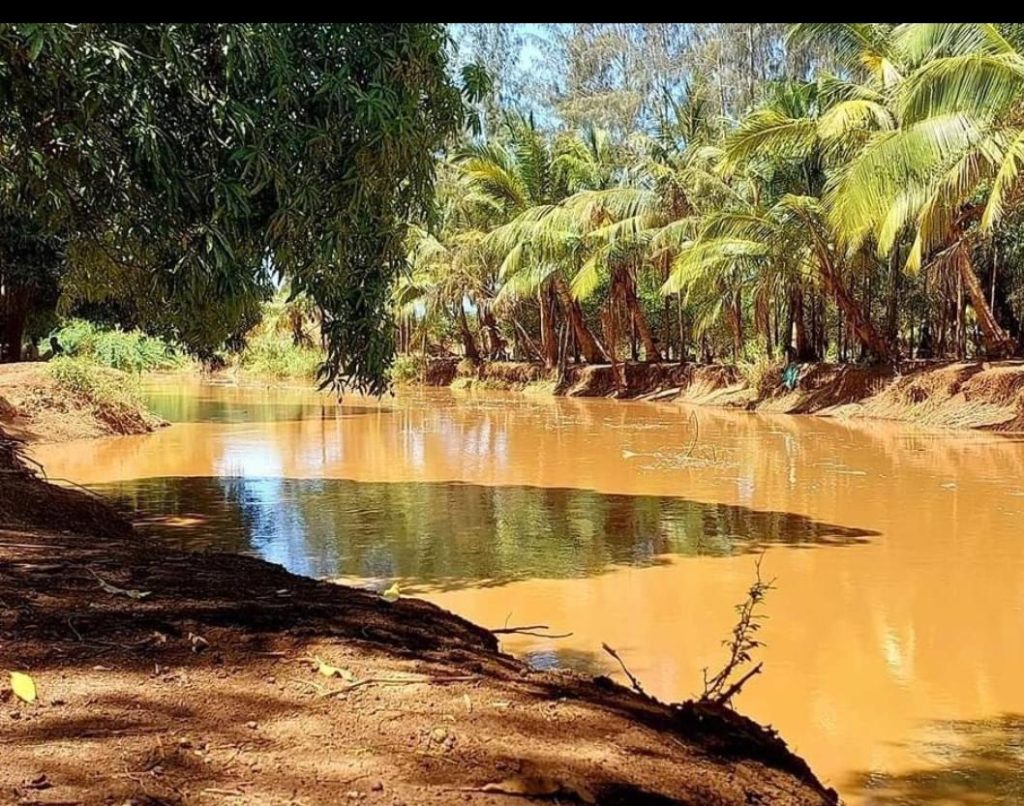
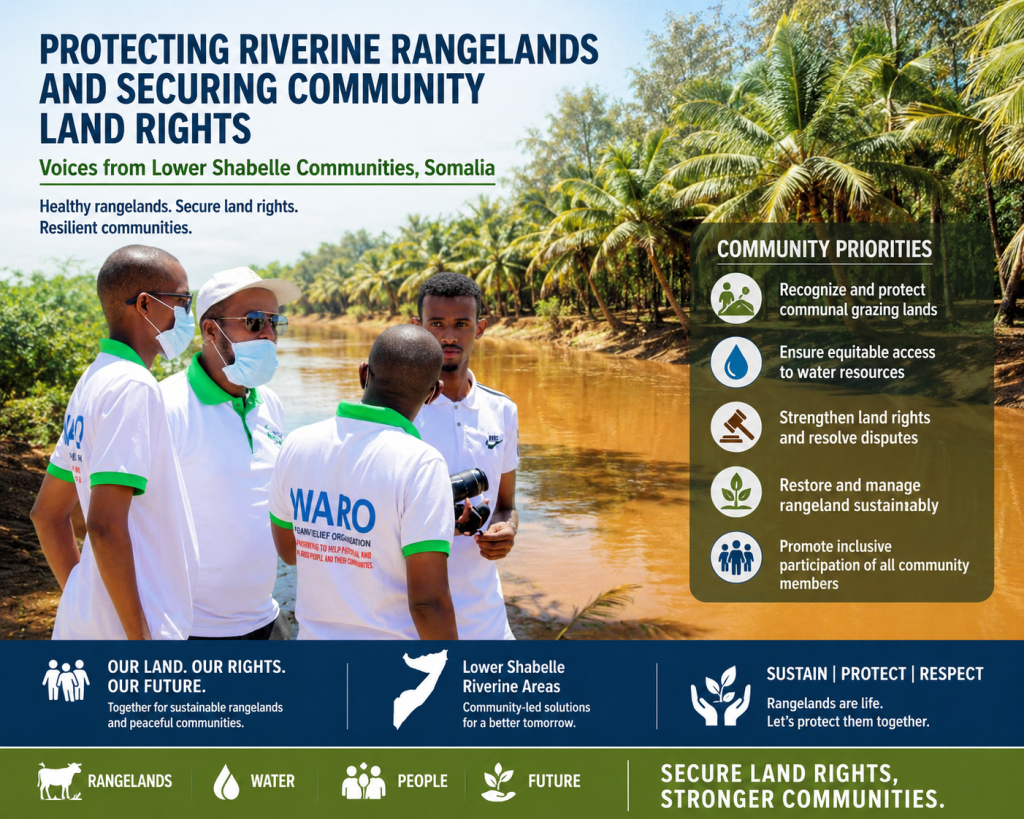
Lower Shabelle riverine areas regarding rangelands, land rights, access, and sustainable management.
Protecting Riverine Rangelands and Securing Community Land Rights
The riverine areas of Lower Shabelle are among Somalia’s most productive ecological zones. These landscapes support pastoralists, agro-pastoralists, farmers, and fishing communities whose livelihoods depend on healthy rangelands, reliable water sources, and secure access to land.
Recent community consultations conducted in several riverine settlements have highlighted growing concerns regarding rangeland degradation, land tenure insecurity, and increasing competition over natural resources. Community members emphasized the need for stronger protection of communal grazing areas and recognition of customary land rights.
Key Issues Raised by Communities
1. Loss of Traditional Grazing Areas
Local residents reported that traditional grazing lands are shrinking due to:
- Expansion of private farming activities.
- Unclear land ownership boundaries.
- Encroachment on communal rangelands.
- Environmental degradation and recurrent droughts.
2. Land Rights and Tenure Security
Many respondents expressed concerns about:
- Lack of formal recognition of customary land rights.
- Disputes between farmers and pastoralists.
- Limited access to legal mechanisms for resolving land conflicts.
- Vulnerability of marginalized groups, women, and displaced households.
3. Access to Water Resources
Communities highlighted challenges related to:
- Restricted access to river water and watering points.
- Seasonal shortages affecting livestock production.
- Degradation of riverbanks and natural ecosystems.
4. Environmental and Rangeland Degradation
Participants identified several threats:
- Overgrazing in some locations.
- Deforestation and charcoal production.
- Soil erosion along riverbanks.
- Loss of indigenous vegetation important for livestock.
Community Recommendations
To strengthen sustainable rangeland management in Lower Shabelle, communities recommended:
- Recognition and protection of communal grazing lands.
- Strengthening customary and statutory land governance systems.
- Establishing inclusive land dispute resolution mechanisms.
- Promoting community-led rangeland restoration programs.
- Protecting riverine ecosystems from unsustainable land use practices.
- Increasing participation of women and youth in natural resource management.
- Developing local bylaws for sustainable grazing and water use.
The Way Forward
Sustainable management of Lower Shabelle’s riverine rangelands requires collaboration among communities, local authorities, civil society organizations, and development partners. Secure land rights, equitable access to resources, and community participation are essential for reducing conflicts and improving resilience to climate change.
By listening to local voices and supporting community-driven solutions, Somalia can protect its valuable riverine ecosystems while safeguarding livelihoods for current and future generations.
Field Assessment Team:
Community consultations and observations conducted in the Lower Shabelle Riverine Areas to better understand rangeland conditions, land rights concerns, and opportunities for sustainable natural resource management.