Introduction
Banaadir
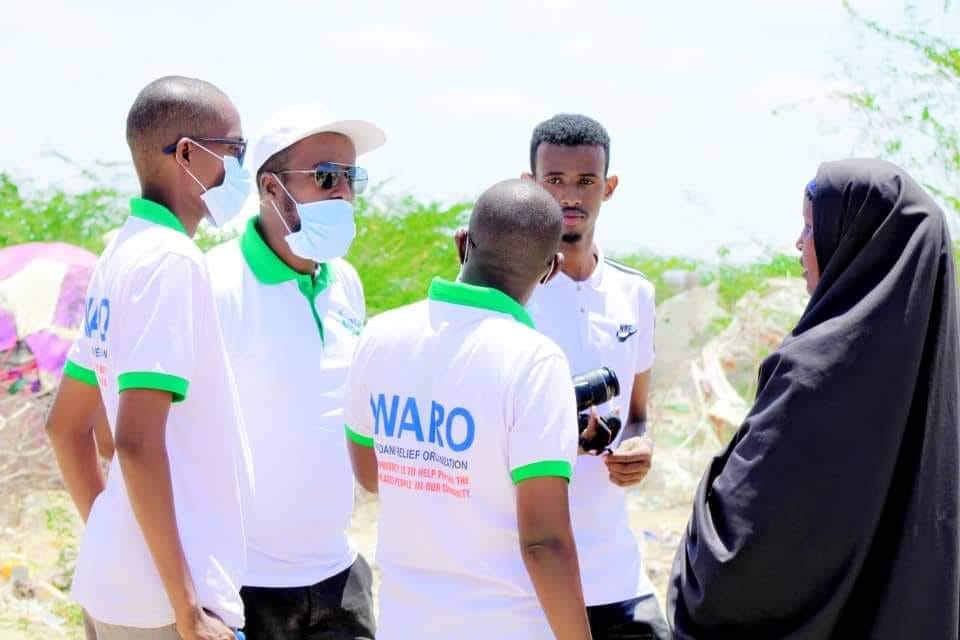
In the heart of Banaadir, Mogadishu, internally displaced persons (IDPs) face significant health challenges. The Wadani Relief Organization (WARO) has conducted vital research aimed at understanding health issues affecting this vulnerable group, with a particular focus on the rising prevalence of sexually transmitted diseases (STDs). This article explores the insights garnered from WARO’s study and its implications for public health strategies.
The Context of IDPs in Banaadir
Mogadishu has been a focal point for displaced populations due to ongoing conflict, poverty, and social instability. Many IDPs reside in overcrowded camps with limited access to essential health services. These conditions not only exacerbate physical health issues but also create an environment where the risk of STDs increases.
Key Findings from WARO’s Research
- High Prevalence of STDs: The study indicates that many individuals within IDP communities are unaware of their health status, with a significant number affected by STDs. Lack of knowledge and testing facilities contributes to this alarming trend.
- Barriers to Healthcare Access: The research identifies major barriers preventing IDPs from seeking health services, including poverty, stigma around sexual health issues, and logistical challenges in reaching medical facilities.
- Need for Comprehensive Education: There is a critical gap in sexual health education within these communities. Many IDPs lack the necessary information about prevention, symptoms, and treatment of STDs, underlining the urgent need for targeted educational initiatives.
Recommendations for Action
To address the health crises identified, WARO’s research proposes several actionable recommendations:
- Enhanced Healthcare Access: Establishing mobile health clinics that can reach IDP camps would increase accessibility to essential health services, including STD testing and treatment.
- Community Education Programs: Implementing targeted workshops and outreach programs can help dispel myths, reduce stigma, and provide crucial information on sexual health.
- Collaboration with Local Leaders: Engaging with community leaders can foster a supportive environment for health initiatives, ensuring community buy-in and participation.
Conclusion
The health of IDPs in Mogadishu is a pressing issue that requires immediate attention. WARO’s findings illuminate the urgent need for comprehensive strategies to combat the rising rates of STDs within these vulnerable populations. It is essential for stakeholders—including health organizations, government entities, and community leaders—to unite in addressing these challenges head-on.
Call to Action
With awareness and action, we can significantly improve health outcomes for IDPs in Banaadir. We encourage individuals and organizations to support initiatives that promote health education and access to services. For more information or to collaborate with WARO, please contact us at [your contact information info@waro.org.so